

China's New AI Robot Revolution: A Deep Dive

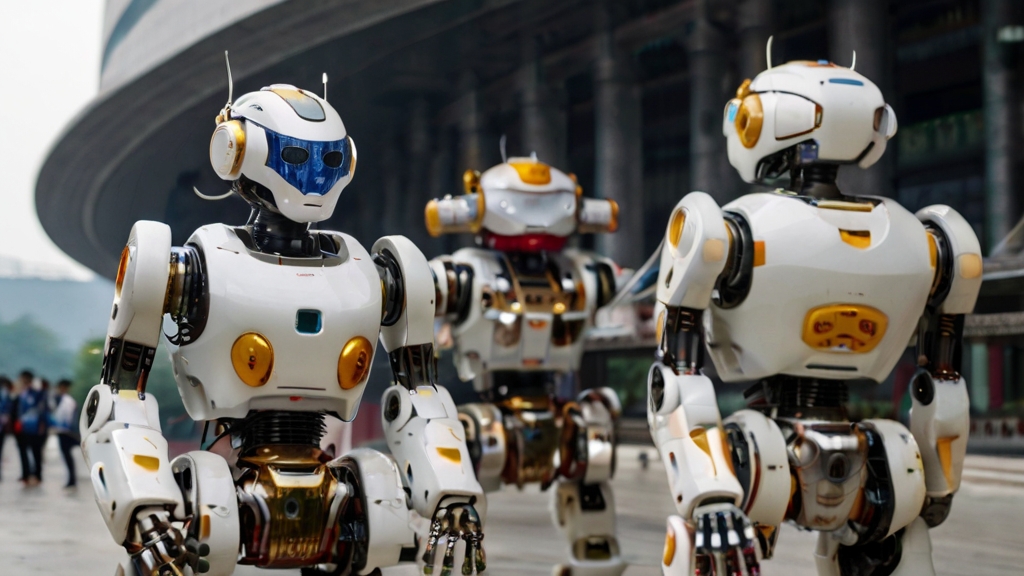
China’s New AI Robot Revolution: A Deep Dive
China has emerged as a formidable player in the global artificial intelligence (AI) landscape, and its advancements in robotics are particularly noteworthy. The country has made significant strides in developing a wide range of AI-powered robots, from humanoid companions to industrial automation machines. This article delves into China’s new AI robot revolution, exploring its key trends, advancements, and potential implications.
The Rise of Chinese Robotics
China’s rapid economic growth has fueled a surge in demand for automation and efficiency. Recognizing the potential of AI, the Chinese government has invested heavily in research and development, fostering a vibrant ecosystem of AI startups and research institutions. As a result, the country has witnessed a proliferation of innovative AI robot solutions.
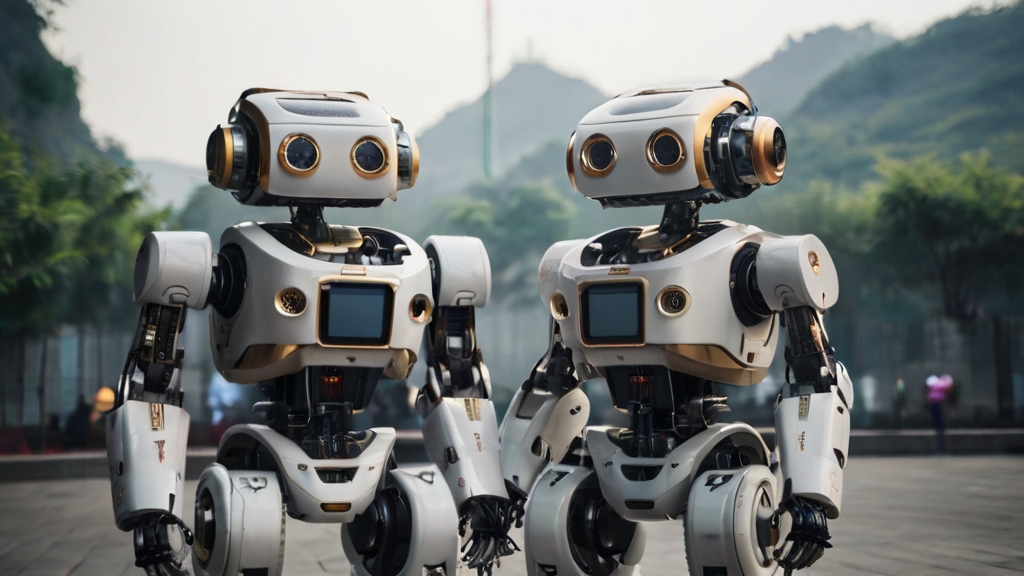


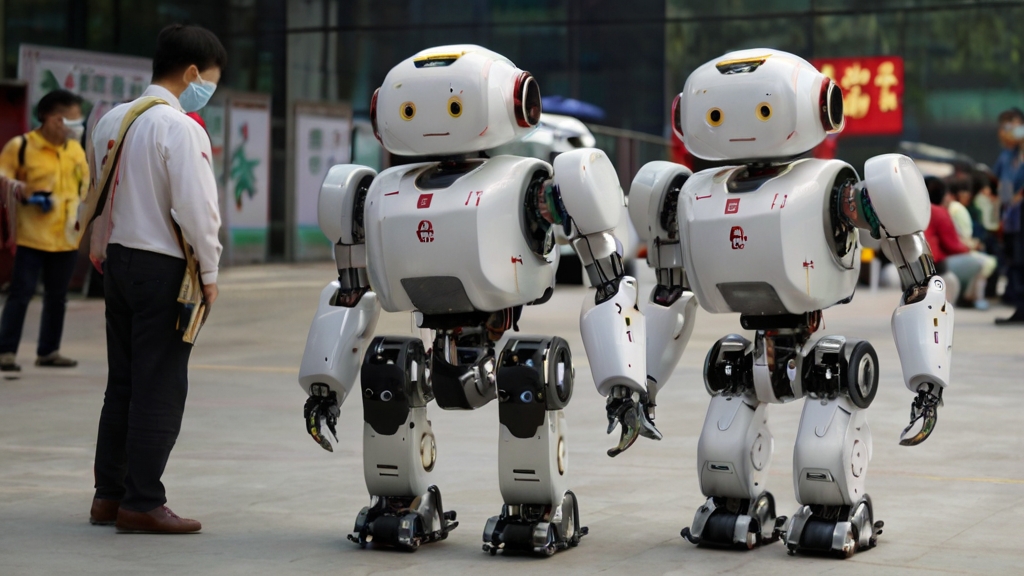
Key Drivers of China’s Robotics Revolution:
- Government Support: The Chinese government has implemented policies and initiatives to promote AI development, including generous funding, talent cultivation, and infrastructure support.
- Market Demand: The vast size of China’s domestic market, coupled with its growing manufacturing sector, has created a strong demand for automated solutions.
- Technological Advancements: China’s research institutions and companies have made significant breakthroughs in areas such as machine learning, computer vision, and natural language processing, enabling the development of sophisticated AI robots.
Humanoid Robots: A New Frontier
One of the most captivating areas of AI robotics in China is the development of humanoid robots. These robots are designed to resemble humans in appearance and behavior, capable of performing tasks that were previously the exclusive domain of human workers.
Notable Humanoid Robots from China:
- Unitree G1: A lightweight humanoid robot known for its impressive agility and ability to perform complex movements.
- Qufu: An open-source humanoid robot that can cook, clean, and interact with humans in a natural way.
- King Long: A larger-scale humanoid robot designed for industrial applications, such as assembly and logistics.
Humanoid robots have the potential to revolutionize various industries, including healthcare, education, and customer service. They can provide companionship to the elderly and disabled, assist in medical procedures, and enhance the customer experience.
Industrial Robotics: Driving Automation
China’s manufacturing sector has been a major driver of the country’s economic growth, and AI-powered industrial robots are playing a crucial role in automating production processes. These robots can perform tasks with precision and efficiency, improving productivity and reducing costs.
Key Applications of Industrial Robotics in China:
- Assembly: Robots are used to assemble components into complex products, such as cars, electronics, and machinery.
- Welding: Robotic welding systems can perform precise welds, ensuring high-quality and consistent results.
- Material Handling: Robots are employed to transport materials, components, and finished products within factories.
- Inspection: AI-powered robots can inspect products for defects, ensuring quality control.
The adoption of industrial robots in China has led to increased efficiency, improved product quality, and enhanced competitiveness. As technology continues to advance, we can expect to see even more sophisticated and versatile industrial robots being deployed in Chinese factories.
Challenges and Opportunities
While China has made significant progress in AI robotics, several challenges remain. One of the key challenges is the development of reliable and affordable sensors and actuators that can enable robots to interact with the real world effectively. Additionally, ensuring the safety and ethical use of AI robots is a critical concern.
Despite these challenges, the future of AI robotics in China looks promising. The country’s strong research capabilities, abundant talent, and supportive government policies create a favorable environment for innovation. As AI technology continues to evolve, we can expect to see even more groundbreaking advancements in robotics from China.

Conclusion
China’s new AI robot revolution is reshaping industries and transforming the way we live and work. From humanoid companions to industrial automation machines, Chinese researchers and engineers are pushing the boundaries of what is possible. As AI technology continues to advance, China’s role as a global leader in robotics is likely to strengthen